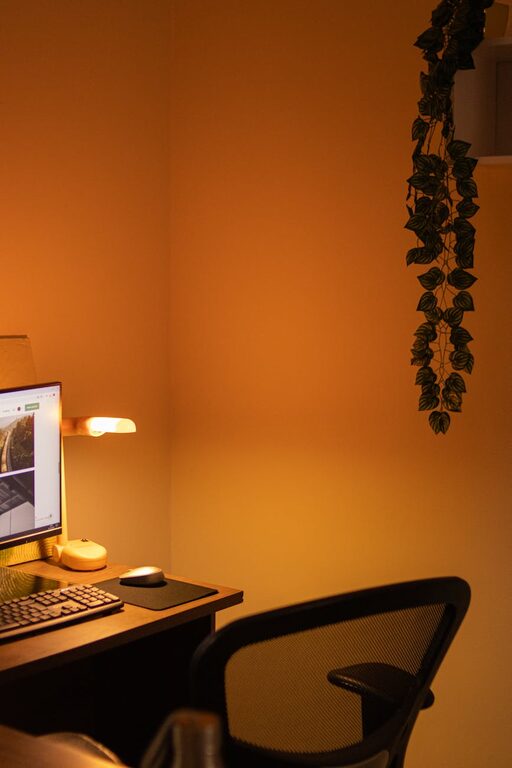


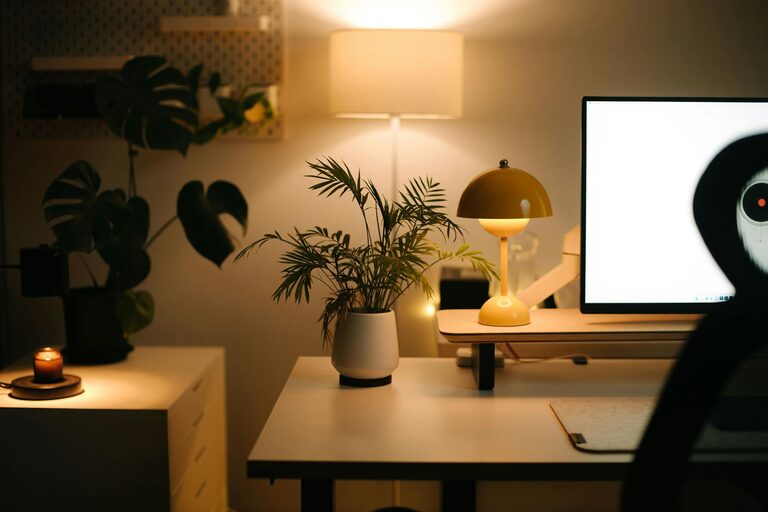
Creating a home office space that is both cozy and functional can make a big difference in how you work from home. Whether you have a dedicated room or just a small corner, designing your workspace with comfort and efficiency in mind can improve your focus and reduce stress. Here are some helpful tips to get you started on setting up a home office that you’ll enjoy using every day.
Choose the Right Location
The first step in creating a home office is deciding where to place it. Ideally, you want a spot with:
– Natural light: A well-lit space helps improve mood and energy. Near a window is best.
– Low distractions: Choose a quiet area away from household noise if possible.
– Enough space: Make sure your desk and chair fit comfortably, leaving room to move.
If space is limited, consider using a fold-away desk or creating a designated nook in a larger room.
Invest in Comfortable Furniture
Comfort is essential since you’ll spend many hours in your home office. Focus on furniture that supports good posture and fits your needs.
– Ergonomic chair: Look for adjustable height, lumbar support, and cushioning.
– Desk options: Pick a desk with enough surface area for your computer, accessories, and work materials.
– Additional seating: A small, cozy chair or ottoman can provide a spot for breaks or brainstorming.
Having the right furniture helps reduce fatigue and keeps you comfortable throughout the day.
Organize with Purpose
A cluttered workspace can distract and drain your energy. Use smart organization strategies to keep your home office tidy and efficient.
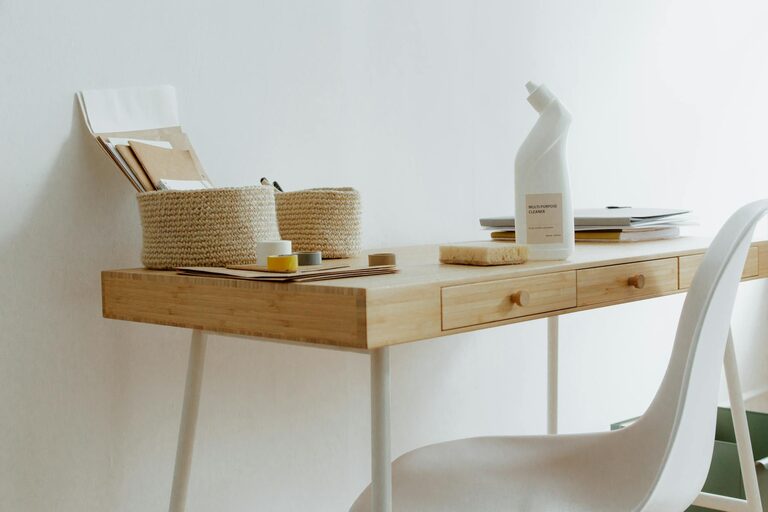
– Storage solutions: Use shelves, filing cabinets, or baskets to keep papers and supplies organized.
– Desk organizers: Consider trays, pen holders, and cable management tools to clear your desk surface.
– Digital organization: Maintain a clean desktop on your computer and use cloud storage to reduce paper clutter.
Regularly decluttering your space and having a place for everything fosters a productive environment.
Personalize Your Space
Adding personal touches can make your home office feel inviting and uniquely yours, helping you feel more motivated and comfortable.
– Decor: Incorporate artwork, inspirational quotes, or photographs you love.
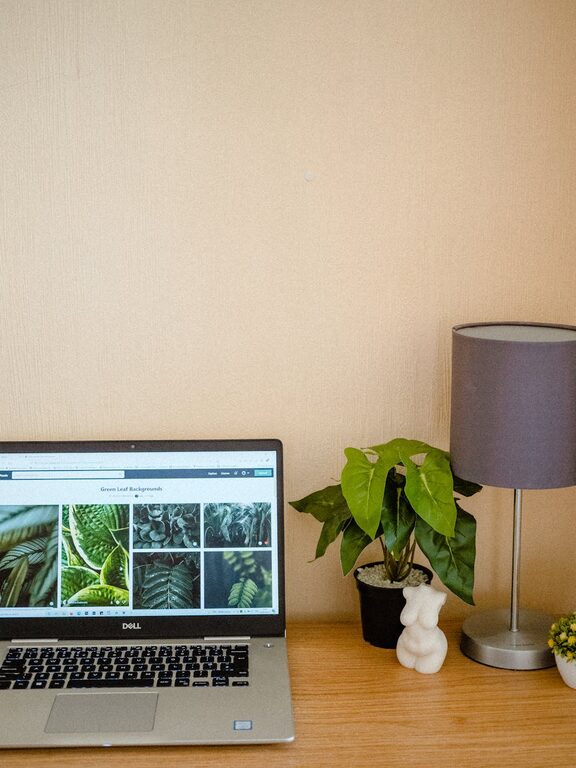
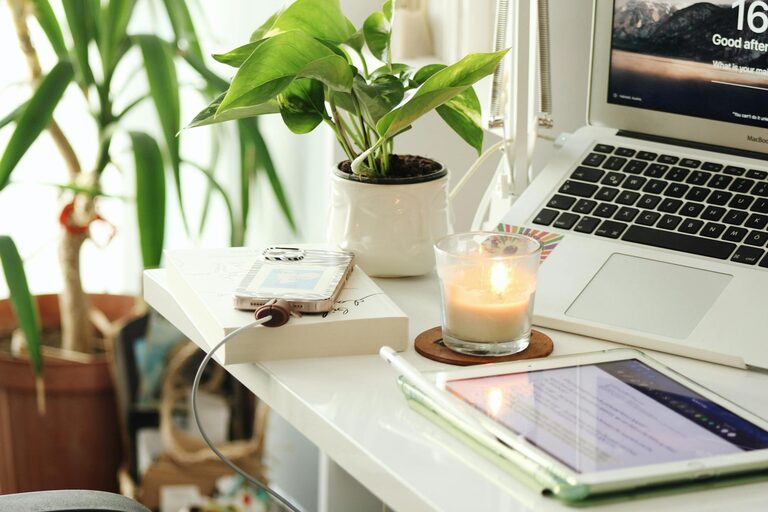
– Plants: Indoor greenery improves air quality and adds a calming vibe.
– Colors: Choose soothing colors or accents that inspire creativity and focus.
Balance personalization with professionalism, especially if you attend video meetings from your workspace.
Use Proper Lighting
Good lighting reduces eye strain and creates a pleasant atmosphere to work in.
– Layered lighting: Combine natural light with overhead lights and task lighting like desk lamps.
– Adjustable lamps: Use lamps with adjustable brightness and direction for flexibility.
– Avoid glare: Position screens and lights to prevent glare that can cause discomfort.
If natural light is limited, consider full-spectrum bulbs that mimic daylight.
Incorporate Technology Thoughtfully
Your office technology should support your work without adding clutter.
– Essential devices: Equip your workspace with a reliable computer, printer, and any tools specific to your job.
– Wireless accessories: Use wireless keyboards, mice, and headphones to reduce cable mess.
– Charging stations: Designate spots for charging phones and other gadgets.
Keeping technology organized and functional helps maintain a smooth workflow.
Create Zones for Different Tasks
If your workspace allows, setting up zones can help you stay organized and mentally switch between tasks.
– Work zone: Your desk area for focused computer or paperwork.
– Reading or brainstorming zone: Comfortable seating for reviewing documents or thinking.
– Storage zone: Shelves, cabinets, or boxes to keep everything within reach.
Clearly defined zones can reduce distractions and improve productivity.
Prioritize Comfort and Wellness
Staying comfortable and healthy is key, especially when working long hours at home.
– Take breaks: Step away regularly for stretching or a short walk.
– Ventilation: Ensure good airflow to keep your space fresh.
– Temperature control: Use fans or heaters to maintain a comfortable temperature.
Adding a small diffuser with essential oils or practicing simple desk exercises can also enhance your well-being.
Keep It Flexible
Your needs might change over time, so design your home office to be adaptable.
– Modular furniture: Choose pieces that can be rearranged or expanded.
– Mobile storage: Use rolling carts or portable bins for easy relocation.
– Adjustable desk: Consider sit-stand desks for comfort variety.
Being able to adjust your setup keeps your workspace fresh and suited to your workflow.
—
Designing a cozy and functional home office is about balancing comfort, organization, and style. By thoughtfully choosing your location, furniture, lighting, and organization techniques, you can create a workspace that inspires productivity and makes working from home a pleasure. Remember to personalize your space and prioritize wellness for the best results. With these tips, you’re well on your way to building an office that works as hard as you do.