



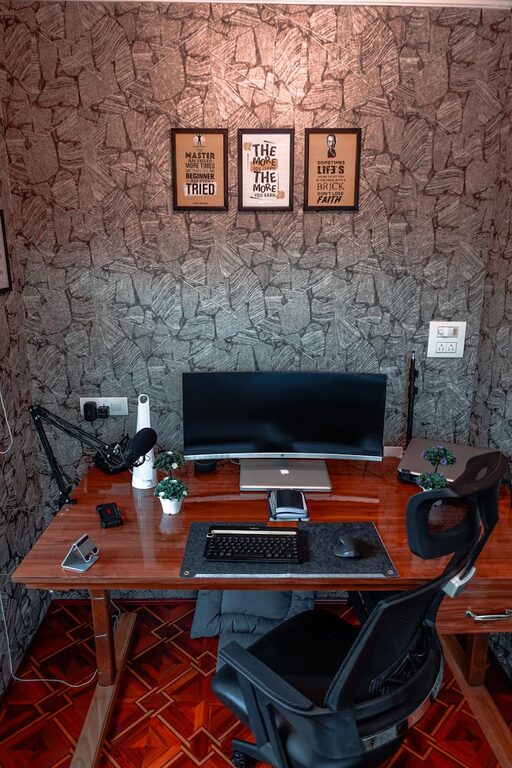
Creating a home workspace that is both cozy and functional can significantly enhance your productivity and overall well-being. Whether you’re working remotely full-time or just need a dedicated spot for occasional tasks, designing a space that feels inviting and efficient is key. This post offers practical tips to help you build a home office that suits your needs and supports your daily workflow.
Choose the Right Location
Finding the ideal spot in your home is the first step. Consider the following when choosing your workspace location:
– Natural Light: A space near a window can boost mood and energy levels. Natural light reduces eye strain and keeps you alert.
– Quiet Environment: Pick an area away from high-traffic zones and noise to minimize distractions.
– Space Availability: Make sure the space accommodates your desk, chair, storage, and any other essentials comfortably.
If space is limited, consider using a corner of your living room or bedroom, and use room dividers or shelves to delineate your work area.
Invest in Comfortable and Supportive Furniture
Comfort is critical for long hours spent working, but functionality should not be overlooked.
– Ergonomic Chair: Choose a chair that supports your back and encourages good posture.
– Desk Height: Your desk should allow your arms to rest at a 90-degree angle comfortably.
– Adjustable Options: Sit-stand desks or adjustable chairs add versatility to your setup.
Proper furniture reduces physical strain and helps keep focus throughout the day.
Optimize Lighting
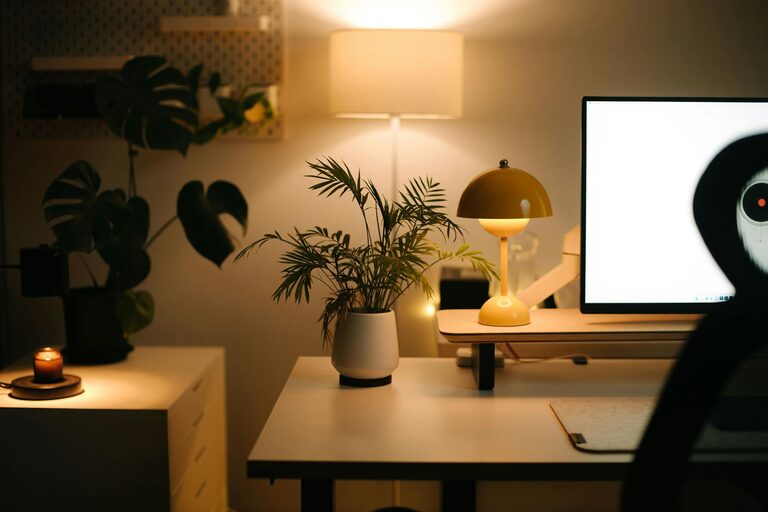
Good lighting balances functionality with a warm ambiance.
– Layered Lighting: Combine ambient lighting with task lighting to create an inviting atmosphere.
– Desk Lamp: Use a lamp with adjustable brightness and color temperature to suit different activities.
– Minimize Glare: Position your monitor and lights to avoid reflections that cause eye strain.
Consider soft white bulbs for a cozy feel during early mornings or late evenings.
Organize and Declutter
A tidy workspace improves clarity and efficiency.
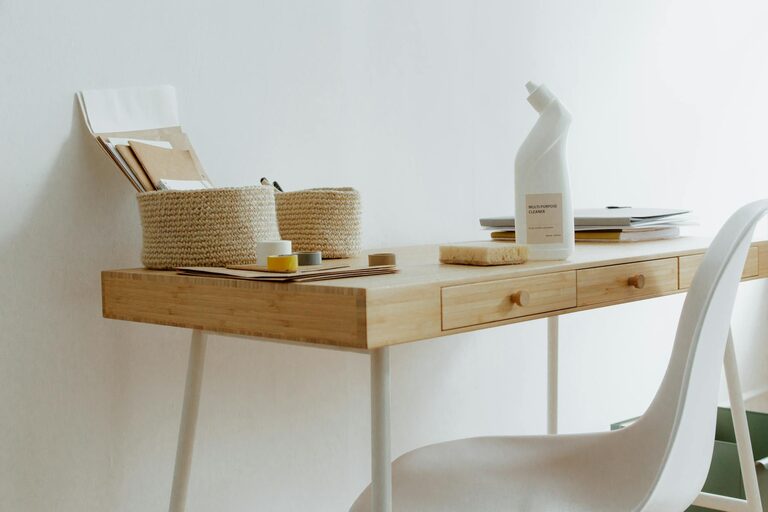
– Storage Solutions: Use shelves, filing cabinets, or baskets to keep supplies organized.
– Cable Management: Invest in cable clips or trays to keep cords neat and out of the way.
– Minimal Desk Setup: Keep only essential items on your desk to reduce clutter.
Regularly declutter to maintain a clean environment that inspires creativity and concentration.
Personalize Your Space
Adding personal touches makes your workspace more welcoming.
– Artwork and Photos: Display images or prints that motivate and uplift you.
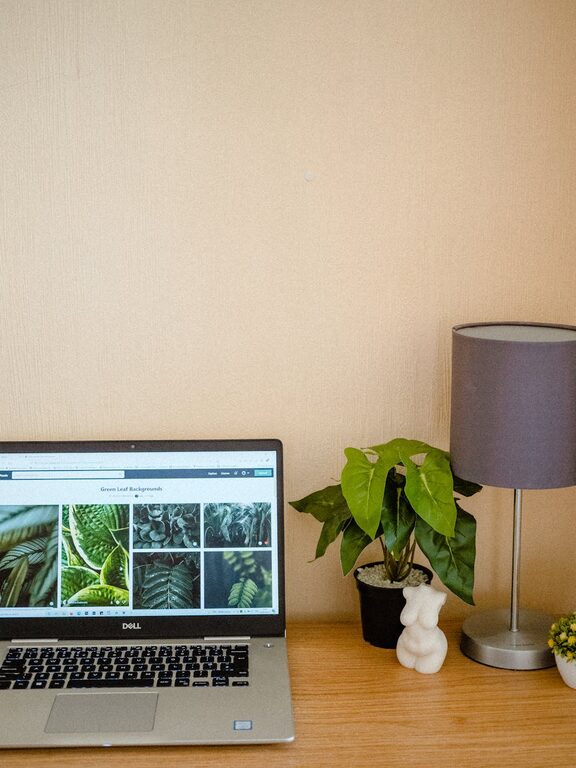
– Plants: Indoor plants improve air quality and add a refreshing touch of nature.
– Decor Accents: Use cushions, rugs, or curtains to make the space cozy without sacrificing professionalism.
Personalization helps create a space you enjoy spending time in.
Use Technology Wisely
Equip your workspace with the right tools to enhance productivity.
– Reliable Internet Connection: Ensure fast and stable connectivity for uninterrupted work.
– Necessary Devices: Have a good-quality monitor, keyboard, mouse, and headset as needed.
– Cable Organization: Use wireless devices or discreet wiring solutions to keep your desk clutter-free.
Technology should streamline your tasks, not complicate them.
Establish Boundaries and Routine
Creating a cozy workspace also means developing habits that support work-life balance.
– Set Work Hours: Respect your work schedule and avoid extending work into personal time.
– Clear Boundaries: Communicate your workspace rules with family or housemates.
– Regular Breaks: Take short breaks to stretch and rest to maintain focus and comfort.
A dedicated workspace combined with healthy routines enhances productivity and well-being.
Enhance Comfort with Temperature and Air Quality
Creating a comfortable environment goes beyond furniture and lighting.
– Temperature Control: Use fans, heaters, or air conditioning to maintain a comfortable temperature.
– Air Circulation: Keep windows open when possible or use an air purifier.
– Scent: Lightly fragranced candles or essential oil diffusers can make your workspace more inviting.
Comfortable physical conditions contribute to sustained concentration.
Conclusion
Building a home workspace that is both cozy and functional takes thoughtful planning and attention to detail. By choosing the right location, investing in ergonomic furniture, optimizing lighting, staying organized, and personalizing your area, you create a space that boosts productivity and feels pleasant to work in. Remember to integrate technology smoothly and maintain clear boundaries for your workday to support a healthy balance between professional and personal life. With these tips, your home office can become a place where focus and comfort go hand in hand.