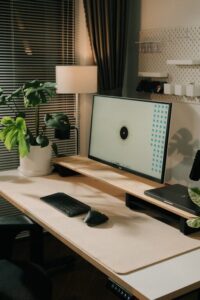

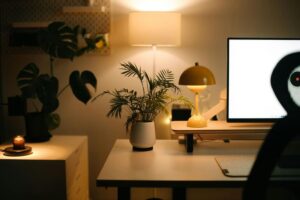

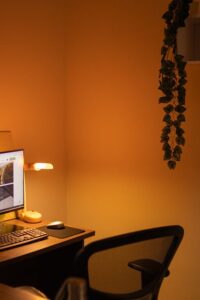
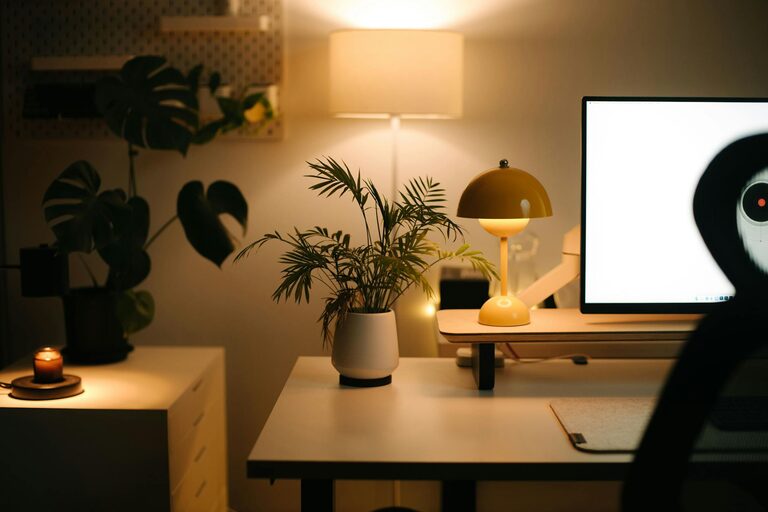
Creating a relaxing home office environment is essential for maintaining focus, reducing stress, and boosting productivity. Whether you work remotely full-time or occasionally from home, the design and setup of your workspace can have a significant impact on your workday experience. In this post, we’ll explore helpful tips to create a calming, comfortable, and efficient home office.
Why a Relaxing Home Office Matters
Working from home offers flexibility but also presents unique challenges, such as distractions and blurred boundaries between work and personal life. A relaxing office environment helps you:
– Improve concentration and efficiency
– Reduce feelings of stress and burnout
– Enhance creativity and motivation
– Maintain a healthy work-life balance
With some simple adjustments and thoughtful design, you can transform your home workspace into a pleasant and productive area.
Choose the Right Location
Selecting the best spot for your home office is the first step. Consider these factors:
– Natural Light: A space with plenty of natural light can boost mood and energy levels. Try to set up your desk near a window.
– Quietness: Choose a quiet room or corner away from household noise and distractions.
– Dedicated Space: Even if it’s a small nook, having a dedicated area solely for work helps create mental separation between work and leisure.
If space is limited, using room dividers or screens can visually separate your office zone.
Invest in Comfortable Furniture
Comfort is key when spending long hours at a desk. Focus on:
– Ergonomic Chair: Select a chair that provides good lumbar support, adjustable height, and comfortable cushioning to prevent back pain.
– Desk Height: Your desk should allow your arms to rest comfortably at a 90-degree angle. Adjustable desks for sitting or standing are ideal.
– Footrest and Accessories: A footrest can reduce strain on your legs. Also, keep essential accessories like keyboard trays or monitor stands to maintain healthy posture.
Proper furniture helps avoid physical discomfort and keeps you focused on your tasks.
Declutter and Organize
A cluttered workspace can increase stress and decrease efficiency. To keep your office tidy, try these tips:
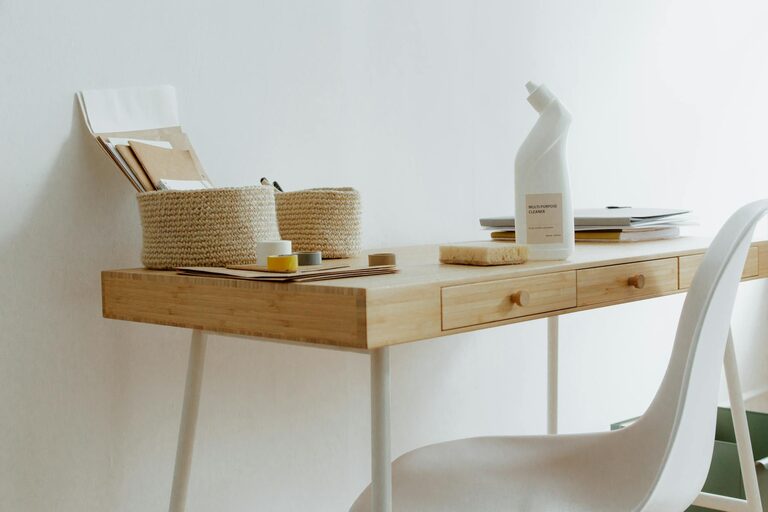
– Minimal Essentials: Keep only necessary items on your desk to minimize distractions.
– Storage Solutions: Use shelves, drawers, or filing cabinets to store papers, stationery, and electronics.
– Cable Management: Organize wires with clips or sleeves to reduce mess and prevent tangling.
Regularly decluttering your space helps maintain calm and focus.
Personalize Your Space Thoughtfully
Adding personal touches makes your office inviting without becoming distracting. Consider:
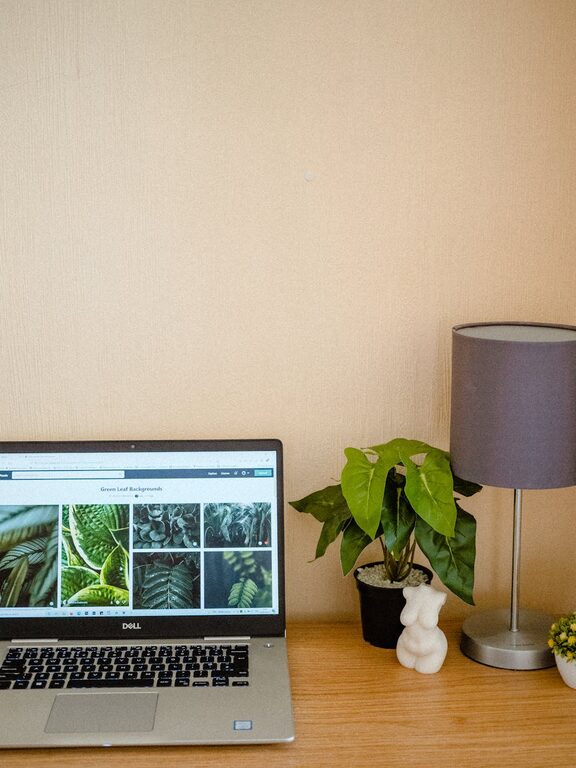
– Plants: Indoor plants improve air quality and add a touch of nature, which can be calming.
– Artwork or Photos: Choose images that inspire or make you happy but keep them minimal and tasteful.
– Soft Textiles: Add a cozy rug or cushions for warmth and comfort.
Personalizing your space makes it feel welcoming while encouraging productivity.
Manage Lighting Effectively
Good lighting reduces eye strain and improves mood. Here are lighting tips for your home office:
– Use Natural Light: Position your desk to benefit from sunlight without glare on your screen.
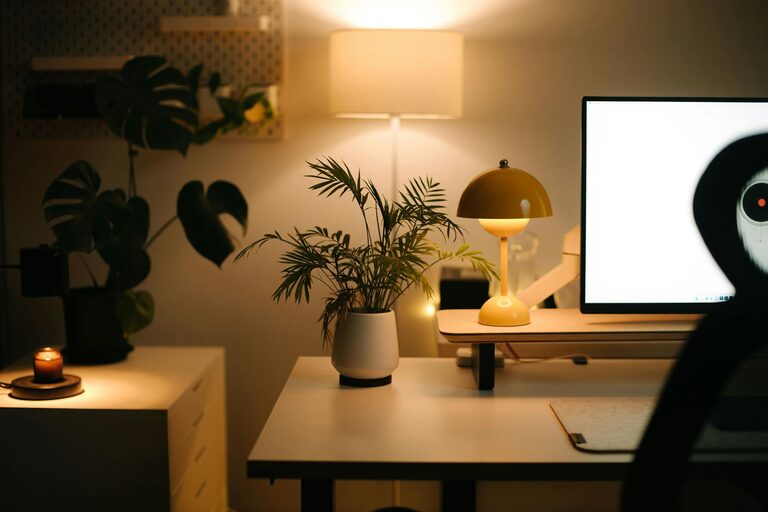
– Supplemental Lighting: Use adjustable desk lamps or overhead lights to brighten your space during darker hours.
– Avoid Harsh Fluorescents: Choose soft, warm bulbs that create a comfortable atmosphere.
Proper lighting supports focus while creating a relaxing ambiance.
Control Noise Levels
Noise can be distracting and stressful. To keep sound under control:
– Use Noise-Cancelling Headphones: Helpful if your workspace is noisy or if you want to listen to calming music or white noise.
– Soundproofing: Add rugs, curtains, or foam panels to absorb sound.
– Background Sound: Playing gentle instrumental music or nature sounds can mask disruptive noise and promote relaxation.
Adjust noise levels to what helps you work best.
Incorporate Break Areas and Movement
Sitting too long can harm both physical and mental health. To counter this:
– Create a Small Break Area: If space permits, have a chair or corner for brief breaks or stretching.
– Take Regular Breaks: Follow the 20-20-20 rule: every 20 minutes, look at something 20 feet away for 20 seconds.
– Add Movement: Try standing desks or reminder apps to move periodically.
Taking breaks and moving can refresh your mind and body.
Use Calming Colors and Scents
Colors and scents influence how relaxed you feel:
– Colors: Soft blues, greens, and neutrals tend to promote calmness and focus. Avoid overly bright or harsh colors.
– Aromatherapy: Subtle essential oils like lavender or eucalyptus can reduce stress when used safely with a diffuser.
Careful use of color and scent creates a soothing atmosphere.
Keep Technology in Check
Technology is necessary but can be a source of distractions:
– Limit Notifications: Turn off or regulate app notifications to avoid interruptions.
– Organize Devices: Use docks or stands to keep gadgets neat and accessible.
– Use Productivity Apps: Time trackers or focus tools can help manage work hours efficiently.
Managing technology helps maintain a peaceful and productive environment.
Final Thoughts
Creating a relaxing home office environment takes some planning but pays off with improved wellbeing and work output. Focus on comfort, organization, lighting, and personalization to design a space that supports your best work while keeping stress low. By considering these tips, your home office can become a haven of calm and productivity.
Start small with a few changes and adjust over time as you discover what works best for you. A relaxing workspace is within reach – and it can make a big difference in your daily work routine.